
If you enjoy gardening, you probably know how frustrating New York’s unpredictable weather can be. One week, the sun is shining and your plants are growing beautifully. The next, temperatures drop, and you’re worried about keeping everything alive.
That’s where a greenhouse can make a real difference.
But is a greenhouse worth it in New York? For many homeowners who love growing vegetables, flowers, and other plants, the answer is yes. A greenhouse can extend your growing season, protect delicate plants, and give you more control over your gardening environment.
Of course, investing in a greenhouse is a big decision. You’ll want to know whether the benefits justify the cost, especially with New York’s cold winters and changing seasons.
In this guide, we’ll explore what makes a greenhouse a worthwhile investment, what to consider before buying one, and how to choose the right setup for your backyard.
Why a Greenhouse Makes Sense in New York
New York has four distinct seasons, and each brings different challenges for gardeners. Spring can arrive later than expected, summer temperatures can fluctuate, and the first fall frost sometimes comes sooner than you’d like.
A greenhouse helps you work around some of these challenges by creating a more protected growing environment.
Instead of relying entirely on outdoor conditions, you can give your plants a space that supports healthier and more consistent growth.
Here are a few reasons homeowners consider adding a greenhouse to their property.
1. Extend Your Growing Season
One of the biggest advantages of having a greenhouse in New York is the opportunity to grow plants for more months of the year.
Outdoor gardening often depends on the last spring frost and the first fall frost. A greenhouse can help you start earlier in spring and continue growing later into fall.
For example, you may be able to:
- Start vegetable seeds before outdoor planting season.
- Grow leafy greens during cooler months.
- Protect young plants from unexpected temperature drops.
- Keep certain flowers growing longer into fall.
- Prepare seedlings for transplanting into outdoor garden beds.
A greenhouse does not automatically make gardening possible throughout the entire winter. However, with proper insulation, ventilation, and supplemental heating when necessary, it can provide more growing opportunities than an exposed garden.
2. Protect Plants From Harsh Weather
New York weather can be tough on plants, especially during periods of heavy rain, strong winds, and sudden cold spells.
A greenhouse provides a physical barrier that helps protect plants from direct exposure to these conditions.
This can be especially helpful if you grow delicate flowers, young seedlings, or vegetables that struggle with sudden temperature changes.
With the right greenhouse design, you can create a more stable environment and spend less time worrying about every change in the forecast.
3. Grow More Types of Plants
Have you ever wanted to grow something in your backyard but worried that New York’s climate wouldn’t cooperate?
A greenhouse may give you more options.
Depending on the temperature, lighting, and humidity inside your greenhouse, you may be able to grow:
- Tomatoes and peppers
- Lettuce, spinach, and kale
- Herbs such as basil, parsley, and cilantro
- Flowers and ornamental plants
- Seedlings for your outdoor garden
- Certain plants that need additional protection from cold temperatures
Keep in mind that some plants require supplemental heat or lighting during winter. Choosing plants that match your greenhouse conditions can help keep operating costs manageable.
Is a Greenhouse Worth the Investment?
For many homeowners, the value of a greenhouse goes beyond growing a few extra vegetables.
It can become a dedicated space for gardening, a place to enjoy your favorite hobby, and a practical addition to your backyard.
Still, whether a greenhouse is worth the investment depends on how often you plan to use it.
You Can Save Money on Plants and Produce
Growing your own vegetables and herbs may help reduce how much you spend on certain grocery items.
For example, starting plants from seeds can cost less than purchasing established seedlings every spring.
You can also grow herbs that you regularly use in your kitchen.
However, it’s important to be realistic. A greenhouse has upfront costs, and you may need to pay for watering equipment, soil, heating, and maintenance.
The greatest savings often come when you use your greenhouse regularly and choose crops that are practical for your household.
It Creates a Dedicated Gardening Space
Gardening becomes much easier when you have a space designed for it.
Instead of keeping seed trays near windows or moving plants around the house whenever temperatures change, you can organize everything in one location.
A greenhouse can provide room for:
- Potting tables
- Plant shelves
- Gardening supplies
- Seed starting trays
- Watering equipment
- Seasonal plants
Having a dedicated space can make gardening more enjoyable and encourage you to spend more time doing something you love.
It Can Make Your Backyard More Appealing
A well designed greenhouse can also improve the overall appearance and usefulness of your outdoor space.
Rather than being purely functional, a greenhouse can become an attractive backyard feature that complements your home and landscaping.
For homeowners who enjoy gardening, this added convenience and visual appeal can make the investment worthwhile.
While a greenhouse may appeal to future buyers who enjoy gardening, an increase in resale value is not guaranteed.
Can You Use a Greenhouse During Winter in New York?
Yes, but it depends on how your greenhouse is built and what you want to grow.
New York winters can bring freezing temperatures, heavy snow, and limited sunlight. An unheated greenhouse will still get cold, especially at night.
That means you shouldn’t expect a basic greenhouse to maintain warm growing conditions throughout winter without additional preparation.
If winter gardening is important to you, consider these factors.
Insulation and Heat Retention
A greenhouse with suitable glazing and good sealing can help reduce heat loss.
Some gardeners also use thermal mass, such as water containers, to absorb warmth during the day and release some of it at night.
For plants that require warmer conditions, supplemental heating may still be necessary.
Snow and Wind Resistance
Snow accumulation is an important consideration when choosing a greenhouse in New York.
The structure should be designed for the applicable local snow and wind loads. Proper installation and a suitable foundation also matter.
Before purchasing, ask about the greenhouse’s structural specifications and whether it is appropriate for your location.
Proper Ventilation
Even during colder months, greenhouses need airflow.
Without proper ventilation, excess moisture can build up and create conditions that encourage mold and plant diseases.
A combination of vents, fans, and temperature monitoring can help maintain a healthier growing environment.
The key is choosing a greenhouse that fits your local climate and your gardening goals.
What Size Greenhouse Do You Need?
One of the most common questions homeowners ask is how much greenhouse space they actually need.
The answer depends on what you plan to grow and how much room you have available.
Here’s a simple guide to help you get started.
| Greenhouse Size | Best For |
|---|---|
| 6×8 | Seed starting, herbs, and a small plant collection |
| 8×10 | Hobby gardening and a modest selection of vegetables |
| 10×12 | Multiple growing areas and additional shelving |
| 10×16 | More extensive vegetable gardening and workspace |
| 12×20 | Larger growing projects and dedicated gardening zones |
These are general planning examples, not confirmed available sizes from Heritage Structures.
If you’re new to greenhouse gardening, a smaller structure may be enough.
However, if you plan to grow vegetables regularly, add shelving, or expand your plant collection, choosing a larger greenhouse can give you more flexibility.
It’s also important to leave enough room for walking paths, watering, and plant maintenance.
Where Should You Place a Greenhouse in Your Backyard?
Choosing the right location is just as important as selecting the greenhouse itself.
Even a quality greenhouse may not perform well if it doesn’t receive enough sunlight or is placed in an area with poor drainage.
Before installation, consider the following.
Choose a Sunny Location
Most greenhouse plants need plenty of natural light.
Look for a location that receives consistent sunlight, particularly during the shorter days of fall and winter.
Avoid placing your greenhouse where tall trees, fences, or nearby buildings create excessive shade.
Make Sure the Ground Drains Well
Water should not collect around your greenhouse after heavy rain or melting snow.
Choose a location with good drainage and a stable, level base.
A suitable foundation can help support the structure and make it easier to maintain over time.
Keep It Accessible
Think about how often you’ll visit your greenhouse.
You’ll likely need to water plants, carry gardening supplies, and check growing conditions regularly.
Placing the greenhouse somewhere convenient can make daily gardening much easier.
Also, consider whether you’ll need access to electricity or a nearby water source.
What Are the Downsides of Owning a Greenhouse?
A greenhouse offers plenty of benefits, but it’s helpful to understand the responsibilities before making a purchase.
Here are a few things to keep in mind.
Initial cost: You’ll need to budget for the greenhouse itself, site preparation, and any necessary accessories.
Temperature control: Greenhouses can become very hot during sunny weather and too cold during winter nights. Proper ventilation and temperature management are important.
Regular maintenance: You’ll need to clean surfaces, inspect vents, monitor moisture, and maintain the growing area.
Heating expenses: If you want to grow plants that require warmth during winter, heating costs can increase.
Space requirements: A greenhouse needs a suitable location with enough sunlight and room for access.
For homeowners who genuinely enjoy gardening, these responsibilities are often manageable. The important thing is to plan ahead and choose a structure that matches your needs.
Is a Greenhouse Better Than an Outdoor Garden?
You don’t necessarily have to choose one over the other.
In fact, a greenhouse and an outdoor garden can work very well together.
An outdoor garden gives plants access to natural rainfall, open air, and plenty of growing space. It’s often the most affordable option for seasonal gardening.
A greenhouse, on the other hand, offers additional protection and more control over the growing environment.
Here’s a quick comparison.
| Feature | Greenhouse | Outdoor Garden |
|---|---|---|
| Growing season | Can be extended | Depends on local weather |
| Weather protection | Greater protection | Direct exposure |
| Temperature control | More options | Limited control |
| Initial investment | Generally higher | Generally lower |
| Maintenance | Requires climate monitoring | Requires outdoor garden care |
| Plant variety | Can support additional varieties | Best suited to seasonal conditions |
If you already enjoy outdoor gardening, adding a greenhouse can help you get even more out of your backyard.
You can start seedlings inside your greenhouse, move suitable plants outdoors when the weather warms up, and continue growing certain crops after outdoor temperatures begin to drop.
How Long Does a Greenhouse Last?
A greenhouse can provide years of use when it is built with suitable materials and properly maintained.
Its lifespan depends on several factors, including:
- Structural materials and construction quality
- Greenhouse glazing or covering
- Exposure to snow, wind, and moisture
- Foundation and installation quality
- Routine cleaning and maintenance
Some greenhouse coverings need replacement sooner than the supporting frame.
For New York homeowners, choosing a structure suited to local weather conditions is especially important.
Regular inspections can also help identify minor issues before they become more expensive repairs.
Why Choose Heritage Structures for Your Backyard Project?
When you’re investing in your backyard, you want a structure that fits your property, looks great, and serves a real purpose.
That’s where Heritage Structures comes in.
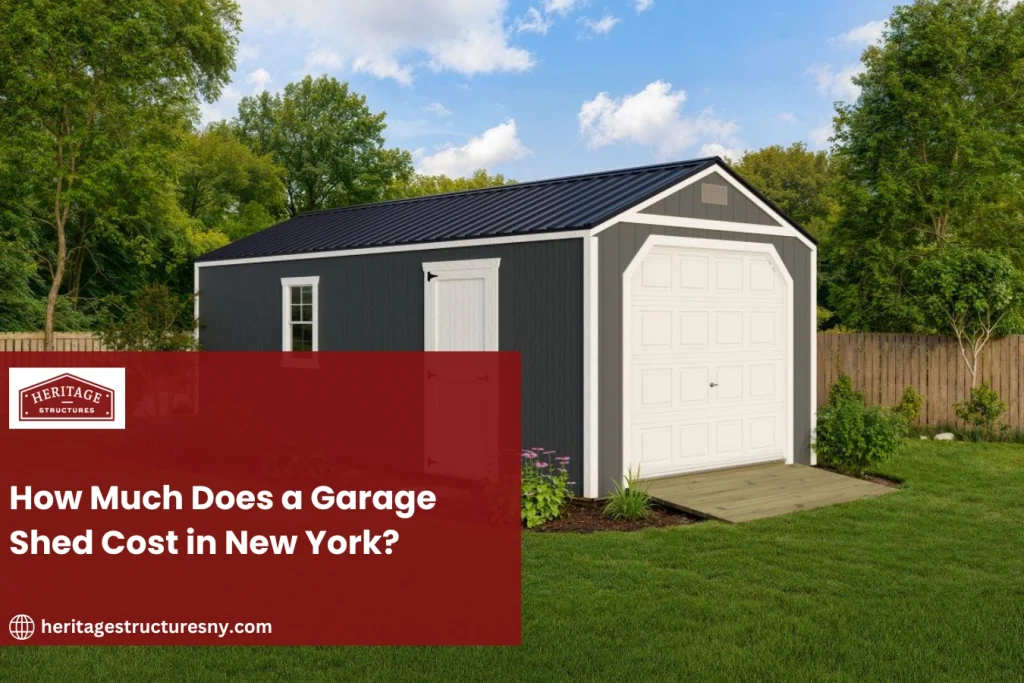
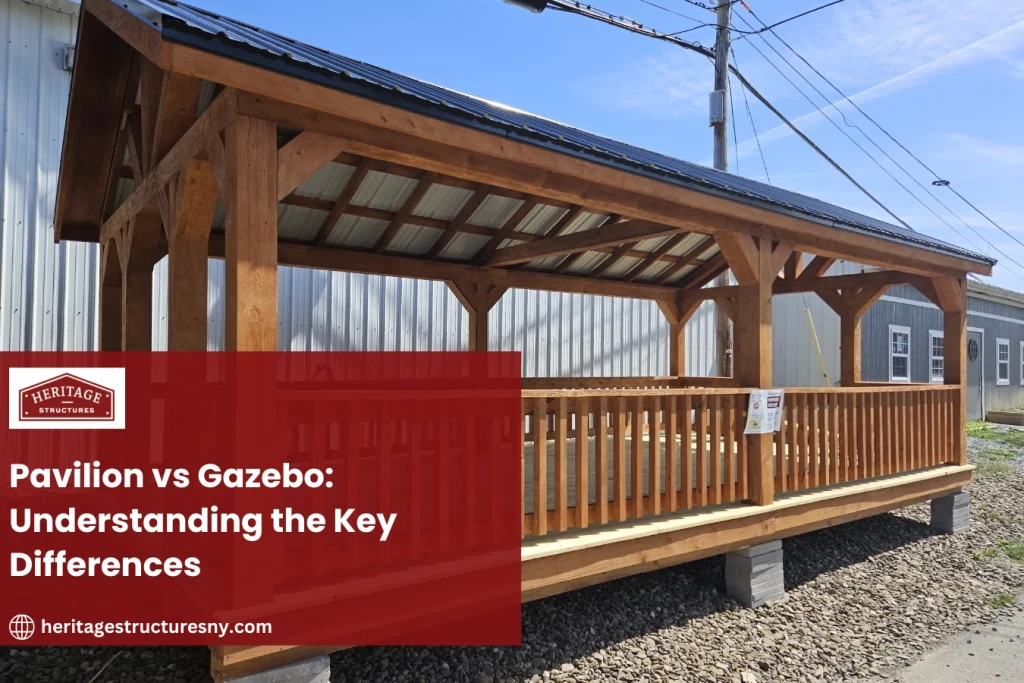
Heritage Structures offers a variety of outdoor buildings designed to help homeowners make better use of their properties. From storage sheds and garages to other backyard structures, the company provides options for different needs and preferences.
Whether you’re planning a gardening space or considering another outdoor building, the team can help you explore your options.
Explore Customization Options
Every backyard is different, and your outdoor structure should reflect how you plan to use it.
Heritage Structures offers a 3D Shed Builder Tool that allows you to explore design options for eligible shed models.
You can experiment with available features and visualize a structure that complements your property.
Ready to plan your backyard project? Try our 3D Shed Builder Tool and see what you can create.
For greenhouse specific options, the best approach is to contact the Heritage Structures team and ask about current availability, specifications, and suitable designs.
Get Help Choosing the Right Structure
Not sure what size or style would work best for your backyard?
The Heritage Structures team can help you review available options and determine which outdoor building may suit your goals.
Whether you’re looking for extra storage, a dedicated hobby space, or a gardening related structure, having guidance can make the process easier.
Frequently Asked Questions About Greenhouses in New York
Is a greenhouse worth it in Upstate New York?
Yes, a greenhouse can be especially useful in Upstate New York, where the outdoor growing season is often shorter. It can help gardeners start plants earlier and extend certain crops into fall. Winter use may require additional heating and insulation.
Can you grow vegetables all year in a greenhouse in New York?
It’s possible with the right setup. However, many vegetables need supplemental heating, lighting, or both during winter. An unheated greenhouse is generally better suited to extending the growing season rather than supporting every crop throughout the year.
Do you need a permit for a greenhouse in New York?
Permit requirements depend on your municipality, greenhouse size, foundation, utilities, and intended use. Check with your local building department before purchasing or installing a greenhouse.
Does a greenhouse need electricity?
Not always. A simple seasonal greenhouse may operate without electricity. However, electricity can be useful for fans, heaters, lighting, and automated ventilation systems.
What is the best greenhouse size for beginners?
An 8×10 or 10×12 greenhouse can be a practical starting point for many hobby gardeners. The best size depends on your available space, the number of plants you want to grow, and your budget.
Design Your Dream Greenhouse With Heritage Structures

Ready to create the perfect space for your plants? At Heritage Structures, we can help you find a greenhouse that fits your gardening needs and complements your New York backyard.
Whether you want to grow fresh vegetables, protect delicate plants, or extend your growing season, choosing the right greenhouse makes all the difference.
Ready to bring your backyard vision to life? Explore our 3D Shed Builder Tool to discover customizable outdoor building designs, or contact Heritage Structures today to learn more about our greenhouse options!
Is a Greenhouse Worth It in New York?
So, is a greenhouse worth it in New York?
If you love gardening and want more opportunities to grow plants throughout the year, a greenhouse can be a worthwhile addition to your backyard.
It can help protect your plants, extend your growing season, and create a dedicated space for something you enjoy.
The most important thing is to choose a greenhouse that fits your gardening habits, available space, and local weather conditions.
And if you’re considering other ways to improve your backyard, Heritage Structures is here to help.
Ready to get started?
Explore our 3D Shed Builder Tool to customize an eligible outdoor building, or contact Heritage Structures today to discuss your backyard project and ask about available greenhouse options.
A more useful and enjoyable backyard could be closer than you think.